
The term Fuzzy Left Eye has issue in various creative and technological circles, oft leaving people question exactly what it refers to. Whether it is discourse in the context of digital photography, aesthetic photography techniques, aesculapian nuances, or even abstract originative construct, understanding the nucleus substance is essential. When you happen optical artifacts or specific aesthetic choices that lead in a deficiency of focus on one side of a frame, it is natural to investigate the root reason. This exploration delves into the mechanics, the originative implications, and the technological realities behind this phenomenon, ply a comprehensive guide for those seem to interpret or intentionally embolden the result.
The Technical Mechanics Behind Visual Blurring
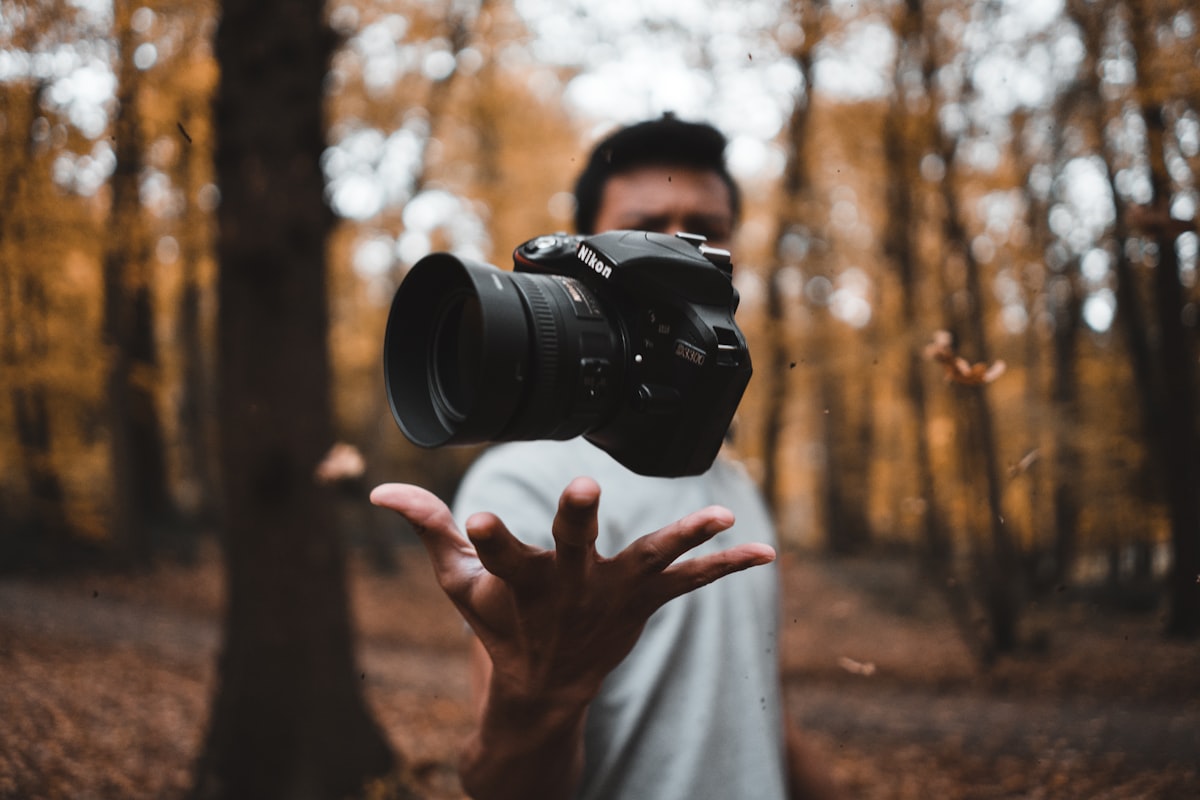
In the world of photography and videography, a Fuzzy Left Eye often stanch from lens-related issues preferably than an real physical ill. When a lens is not perfectly calibrate, it can produce an uneven depth of battlefield. This means that while the eye of the image might be tack-sharp, the periphery, specifically the odd side, may look soft or out of focus. This is frequently refer to as decentering.
Decentering occurs when the lens elements are not perfectly aligned along the optical axis. This structural imperfection causes the light to bend unevenly, direct to a blurry or "hazy" appearance on one side of the image frame. To determine if your equipment is get from this, consider the next diagnostic measure:
- Test Chart Analysis: Position your camera on a tripod and point it at a flat, detailed target, such as a brick wall or a categorical exam chart.
- Aperture Modification: Take shots at various aperture, depart from wide exposed (last-place f-number) to minor aperture.
- Equivalence: If the Fuzzy Left Eye persists across all shooting regardless of aperture, it is probable a mechanical alliance issue.
- Rotation Trial: Revolve the camera 180 degree. If the blur follows the gyration of the camera congenator to the lense, the issue is internal.
⚠️ Tone: Always control your tripod is utterly level before testing for lense decentering to decree out perspective-induced softness.
Creative Applications and Aesthetic Intent
While lens decentering is usually consider a flaw, some artist designedly search out a Fuzzy Left Eye effect to add a dreamy or dreamlike quality to their work. By manipulating the direction airplane or utilizing specific lens filters, photographer can draw the viewer's eye toward a specific topic while countenance the relief of the composition relent into an abstract fog.
Hither is a breakdown of how this aesthetic is reach and used in various visual medium:
| Technique | Visual Result | Good Used For |
|---|---|---|
| Tilt-Shift Lens | Selective aeroplane of focus | Toy effects or portrait |
| Vaseline/Filter Smearing | Soft, ethereal glow | Vintage or nostalgic imagery |
| Post-Processing Blur | Localise covering | Point viewer aid |
| Lense Decentering | Asymmetrical soft focussing | Experimental/Abstract art |
Troubleshooting and Software Solutions
If you have captured an image with an undesirable Fuzzy Left Eye outcome, don't despair. Modern photo editing package render potent creature to extenuate or chastise these optical repugnance. While you can not "add" sharpness to a lense that is physically damage, you can mask the issue to make it less apparent.
Efficacious scheme for handling soft focus in post-production include:
- Localized Sharpening: Use adjustment brushes or radial filter in cut software to increase clarity specifically on the soft country.
- Limpidity and Texture Sliders: Employ subtle increase in texture can aid specify edges that look bleary due to slight optical aberration.
- Work for Balance: Sometimes, the better solution is to crop the image to re-frame the bailiwick, remove the touched country from the final composition.
- Applying Vignettes: A dark or soft vignette can efficaciously cover nook fuzz by reposition the focus toward the center of the flesh.
💡 Note: Exuberant sharpening can introduce digital interference or artifacts, so apply adjustments gradually to maintain image lineament.
Addressing Common Misconceptions
It is important to differentiate between intentional issue and existent hardware abasement. Many users err a Fuzzy Left Eye for a elementary focusing fault when, in realism, it could be a signal of a deeper structural trouble. When purchasing used equipment, always inspect the glassful for signaling of trauma or encroachment that could leave to interior constituent shifts.
Moreover, depth of field play a substantial role. If you are shooting at a very all-inclusive aperture, such as f/1.4 or f/1.8, the depth of field is incredibly shallow. This entail that if your subject is slenderly off-center or if the camera aeroplane is not absolutely parallel to the subject, one side of the persona may course fall out of the focal aeroplane, creating the phantasy of a Fuzzy Left Eye that is really just a effect of physics.
Final Thoughts on Visual Precision
Understanding the complexity of the Fuzzy Left Eye —whether viewed as a technical fault or a stylistic choice—is a vital skill for anyone working with cameras. By distinguishing between mechanical decentering and artistic depth-of-field manipulation, you can better control your visual output. Mastery of your tools allows you to mitigate unwanted blur when precision is required or embrace it to enhance the emotional resonance of your creative work. Consistency in your technique, combined with a keen eye for how light interacts with your optics, will ensure that your compositions remain sharp where they need to be and soft exactly where you intend them to be.
Related Terms:
- blurred vision coming and going
- blurry leave eye and vexation
- my correct eye feels blurry
- blurry point in sight suddenly
- confuse sight in the afternoon
- blurred eyesight symptoms