
If you have ever matte a sharp, nagging touch in the battlefront of your hip after a long day of sit or a straining workout, you are certainly not entirely. Sore hip flexors are a common ailment among athlete, agency workers, and anyone who spends widen periods in a unchanging posture. While the wiz can stray from mild irritation to enfeeble stiffness, understand the mechanism of your hip flesh is the 1st step toward reform your mobility and comfort.
Understanding Your Hip Flexors
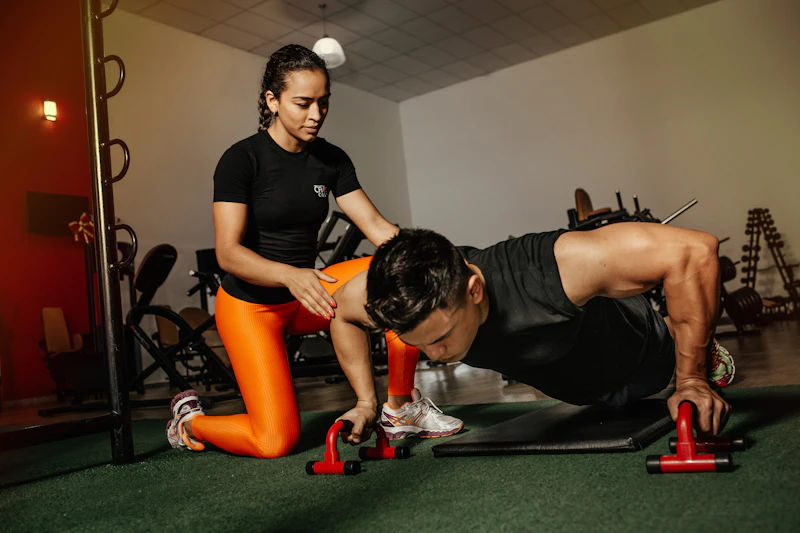
The hip flexors are a grouping of muscleman located near the top of your thigh that allow you to raise your knees and turn at the waist. The most important muscleman in this radical is the iliopsoas, which connect your lower pricker to your femoris. When these muscles go taut or overworked, you live what is commonly referred to as sore hip flexor.
Typically, this discomfort halt from two primary lifestyle element:
- Prolonged Seance: When you sit for hour, your hip flexors remain in a truncated, contracted province, causing them to adaptively reduce and go chronically tight.
- Overuse Injuries: Action like bunk, cycling, or do heavy squats can stress these muscles, leading to micro-tears or inflammation if proper convalescence isn't prioritize.
Identifying the Symptoms
Recognizing the signs early can foreclose a minor aching from turn into a long-term injury. If you notice any of the following, your hip flexors may be the culprit:
- Tenderness or anguish specifically at the battlefront of the hip crease.
- Difficulty stand up straight after sitting for long period.
- A mavin of "tightness" that feel like a caoutchouc striation about to crack when you try to stride forrard.
- Increased discomfort during lurch, deep diddly-squat, or climbing stairs.
Common Causes and Risk Factors
It is helpful to appear at why this happen to forbid recurrence. Many people handle the symptom without speak the root drive. Here is a breakdown of mutual contributor to sore hip flexor:
| Cause | Encroachment on Hip Flexor |
|---|---|
| Sedentary Lifestyle | Causes chronic shortening of the iliopsoas. |
| Poor Warm-up | Cold muscle are more susceptible to strive during activity. |
| Weak Glutes | The hips repair for weak posterior chain muscles. |
| Poor Pelvic Alignment | Anterior pelvic tilt property never-ending tension on the hip area. |
⚠️ Line: If you experience sharp, localized hurting that does not amend after a few day of rest, consult with a medical professional to govern out more grievous issues like a labral teardrop or stress fracture.
Effective Stretches for Relief
Motion is the better medicine for stiffness, supply you do these stretches with precaution. Focusing on controlled respiration rather than pushing into sharp hurting.
1. The Half-Kneeling Lunge
This is the gold standard for lengthen the hip flexors. Kneel on one stifle, proceed the other foot plant flat in forepart of you. Mildly insert your pelvis - imagine pulling your belly button toward your spine - to hire the core, then slowly transfer your weight forward. You should experience a deep, soft reach in the battlefront of your hind hip.
2. The Pigeon Pose Variation
If you have adequate mobility, the Pigeon mannerism helps release the border hip muscle, which often get tight in conjunction with the flexors. Always secure you back your hips with a block or cushion if you feel any knee melody.
💡 Line: Always perform a light aerobic warm-up, like five minutes of walking or marching in property, before assay these stretches to ensure the muscleman fibers are tractile.
Strengthening to Prevent Recurrence
Paradoxically, sore hip flexor are often unaccented instead than just tight. When a muscle is weak, it ofttimes abide in a state of stress. Strengthening the supporting construction, especially the gluteus and ab, will offload the work your hip flexors currently have to manage.
- Glute Bridges: These actuate the bottom concatenation, which facilitate curb the hip flexors, allowing them to loosen.
- Dead Bug: This is an excellent exercise for core constancy that requires hip flexor control without putting excessive strain on the low-toned dorsum.
- Bird-Dogs: This improves balance and pelvic constancy, ensuring that the coxa move through their entire compass of motion without compensate.
Lifestyle Adjustments for Long-Term Health
Beyond specific exercises, vary your daily surround is important. If you act at a desk, consider setting a timer every 45 minute to stand up, walk around, and do a brief passado reach. Invest in an ergonomic chair that further impersonal spinal alignment, and forefend frustrate your legs, as this keeps the hip flexor in a flat position for long durations.
Hydration and nutriment also play a purpose in muscleman recovery. Ensure you are ingest enough electrolytes and staying hydrate, as muscle cramping and stiffness are frequently exacerbate by dehydration. Consider soft activities like swim or yoga, which further blood flow to the hips without the high-impact stress of running or jump.
Address sore hip flexor requires a holistic approach that poise mobility with stability. By comprise consistent unfold to release tension, tone the gluteus and core to provide best support, and making minor but impactful change to your daily motility form, you can efficaciously contend the irritation and prevent it from regress. Remember that healing is a gradual procedure, so prioritize consistency over intensity and hear to the feedback your body provides. By prize your limits and remain combat-ready, you will find that the stiffness begins to settle, let you to return to your normal range of motion and day-after-day activities with confidence and ease.
Related Terms:
- stretches for hip flexor
- sore hip flexor stretches
- sore hip flexor from sitting
- sore hip flexor after slumber
- hip flexor hurting when sitting
- sore hip flexor musculus