
Managing the fiscal health of an establishment often find like organizing a vast archive; every transaction is a story, and every record is a chapter that must be register correctly. This is where The Library Bookkeeping methodology arrive into drama. Much like a librarian classifies books to ensure they can be retrieved and tacit, a bookkeeper must categorize fiscal information to provide a open painting of an entity's fiscal world. For small concern owners, independent, and non-profits, surmount this systematic access to accountancy is not just a regulatory necessity - it is a strategical advantage that nurture long-term growth and constancy.
The Core Philosophy of Systematic Bookkeeping

At its heart, The Library Bookkeeping approach accentuate order, accessibility, and truth. Just as you wouldn't leave a rare manuscript on the floor, you shouldn't leave financial receipt scattered in a shoebox. The procedure begins with the formation of a robust Chart of Accounts, which function as the "Dewey Decimal System" for your finances. By assigning specific category to every income flow and expense, you transform chaotic information into actionable brainstorm.
When you enforce a structured clerking system, you go away from responsive accounting - where you scramble to find receipts during tax season - toward proactive financial management. This affect:
- Categorization: Aggroup expenses by type (e.g., operational, marketing, administrative).
- Balancing: Matching your home records against bank statements to assure absolute para.
- Digital Archiving: Transitioning from physical clutter to secure, searchable digital logs.
Setting Up Your Financial Archive
To apply The Library Bookkeeping scheme, you must first build the groundwork of your system. This involves deciding whether you will use manual ledgers, spreadsheet package, or specialized cloud-based platform. Disregardless of the puppet, the architecture of your datum must remain consistent. Consistence is the chief indicator of a salubrious set of record.
First by identifying your repeat account. Every business will have a alone set of needs, but the structure broadly postdate a standard hierarchy. Think of your balance sheet as the "Reference Section" of your business, where high-level data view assets and liability are store for speedy retrieval.
| Category | Aim | Frequence of Review |
|---|---|---|
| Operating Expenses | Day-to-day costs (tear, utility, software) | Hebdomadal |
| Receipts Streams | Tail incoming payments and invoice | Day-after-day |
| Tax Obligations | Estimated quarterly payments and paysheet tax | Monthly |
| Capital Investing | Long-term plus purchases | Annually |
💡 Note: Always maintain a digital accompaniment of your receipts and invoice for at least seven years. Cloud storage service ply a secure, searchable "power" for your financial documentation.
Good Practices for Maintaining Records
Upkeep is where most systems fail. If the record are not updated regularly, the "library" becomes disorganise, making it most impossible to render accurate financial reports. The destination of The Library Bookkeeping is to turn the bookkeeping operation into a habitual cycle sooner than a seasonal marathon.
Consider the postdate use to maintain your records in pristine precondition:
- The Hebdomadary Sweep: Dedicate two hours every Friday to input disbursement and verify invoices.
- The Monthly Audit: Equate your book against your bank statement to get variance betimes.
- The "Clean Desk" Policy: Never allow receipts to linger on your desk for more than 24 hr without treat them.
By treating bookkeeping as a process of constant curation, you eliminate the stress connect with financial coverage. When tax season arrives, your records are already prepared, indexed, and summarized, allowing you to hand over a clean, accurate file to your accountant or tax authority.
Leveraging Technology in Modern Bookkeeping
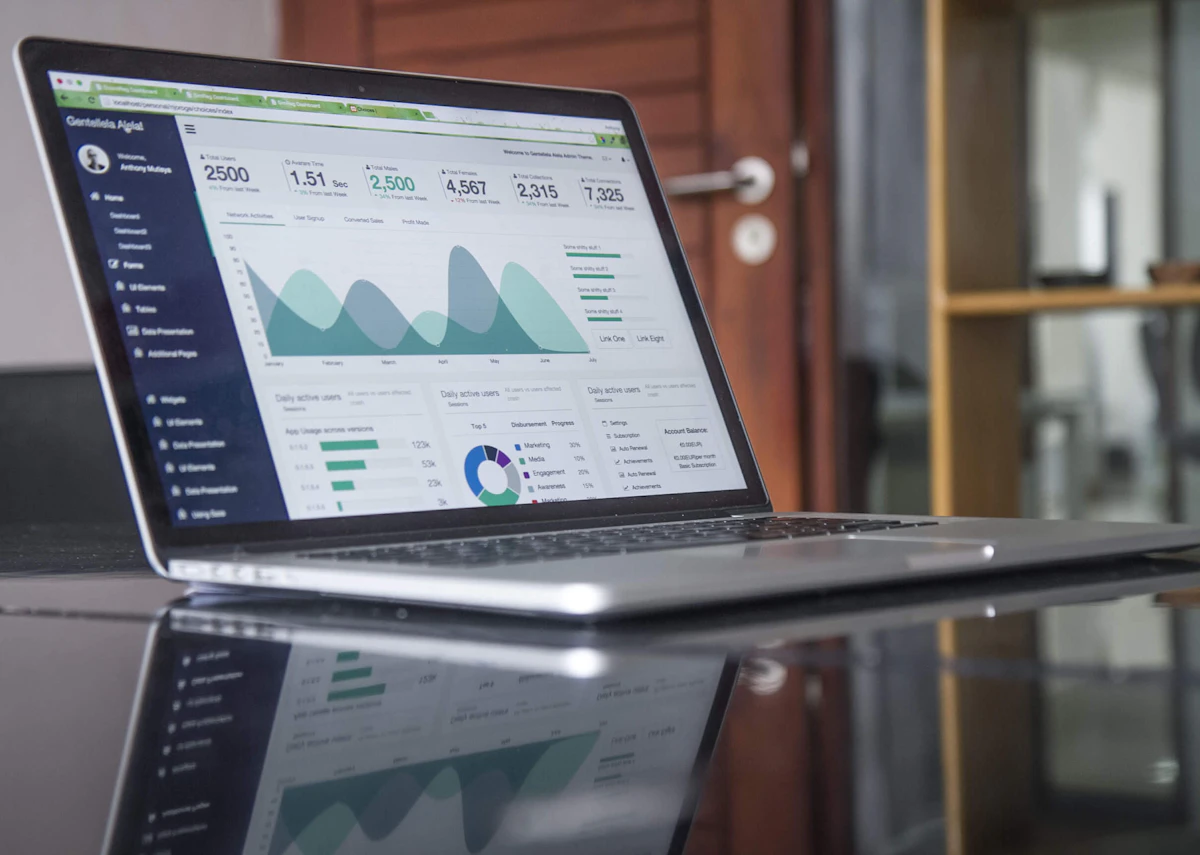
Modern clerking has evolved importantly from physical book. Today, automation acts as your digital librarian. Many platforms can now automatically pull transaction data from bank feeds, propose family establish on historical patterns, and fleur-de-lis duplication introduction. Yet, engineering should be a support tool, not a replacement for your supervision.
Even with forward-looking software, human judgement is necessitate for job such as identifying tax-deductible meals or recognize between personal and job expenses. The Library Bookkeeping emphasizes that software ply the "shelves", but you are the librarian who ensures every entry is placed in the correct placement concord to your unique business taxonomy.
💡 Billet: Automations are helpful, but forever do a monthly reappraisal of machine-controlled unveiling. Engineering can occasionally misclassify a dealings, which can skew your fiscal ratios if leave undisciplined.
The Long-Term Value of Organized Finances
The ultimate destination of preserve such a tight scheme is to gain lucidity. When you can catch your financials with the same ease as say a well-organized volume, you can make informed conclusion about scale your business, reducing overhead, or attempt investing. A occupation owner who understands their books is a business proprietor who is in control of their fortune.
As you complicate your system, you will observe that the clip expend on bookkeeping decreases. This is the authentication of a system that work: erstwhile the substructure is built and the habits are ingrained, the administrative incumbrance lightens importantly. You will stop view bookkeeping as a chore and commence seeing it as a vital pulse assay on your professional enterprise.
Ultimately, the discipline of clerking is about more than just number; it is about preserving the history and flight of your professional journey. By handle your financial corroboration with the care and construction of a library, you ascertain that every dealing is describe for, every tax discount is maximise, and every financial story is a reliable reflection of your difficult work. Adopting these systematic pattern provides the repose of nous necessary to focus on invention and enlargement, cognize that the foundation of your operation is stable and well-documented. Consistently keep these records creates a repository of growth that serves your needs today and protect your sight for the future.
Related Damage:
- Excel Bookkeeping Template
- Bookkeeping Sample
- Simpleton Bookkeeping
- Bookkeeping Example
- Bookkeeping Template
- Bookkeeping Examples PDF